
Strong Summer Crop Growth Creates Opportunity
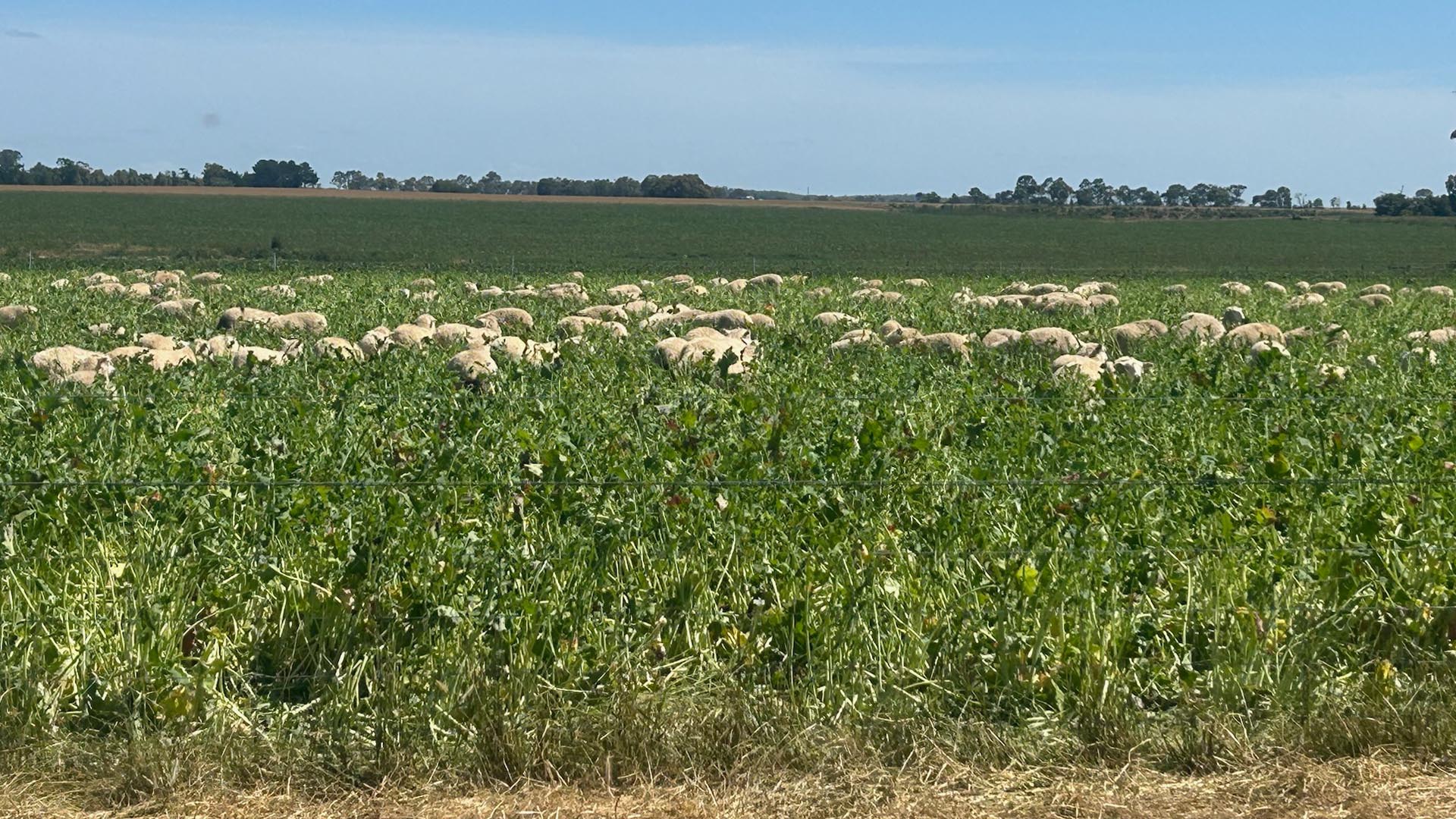
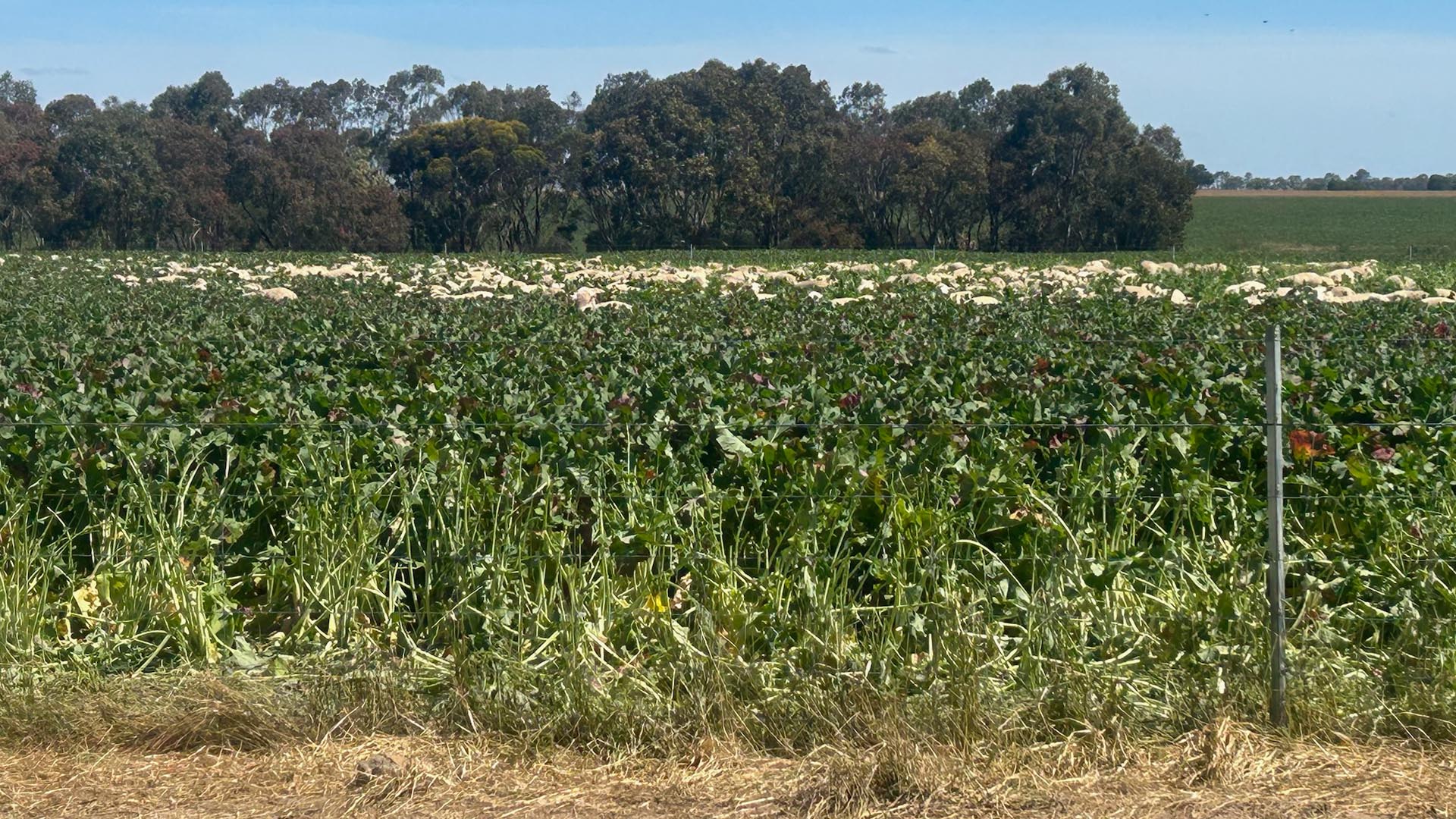
In many southern areas, the summer crops are looking great off the back of above-average rainfall in October and November. Some brassicas that were planted in early September are already ute-bonnet height.
This feed has the potential to finish a lot of stock, which can lead to good margins due to the relatively cheap production of energy and protein in summer crops. Many farmers have taken up this opportunity, with a considerable number of store animals being bought in the north and travelling down south.
Protein–Energy Imbalance Limits Growth
While feed value is high in many summer crops, this doesn’t always allow for maximum growth rates to be achieved. This is because there is commonly a mismatch in protein between what our livestock need (approx. 16%) and what the feed often tests at (approx. 25–30%).
If sheep and cattle had stomachs like ours, this wouldn’t be a problem and they could simply defecate out the excess protein. Instead, their superpower is their four-stomach system, powered by a large fermentation vat – the first stomach, or the rumen. The superpower is that the rumen can ferment grasses and other feeds into usable sources of energy and protein. This is something we can’t do.
How Excess Protein Creates a Bottleneck
The process of fermentation of pasture and summer crops in the rumen creates ammonia. When the animal has a balanced amount of energy, this combines with the ammonia to grow microbes.
The challenge is that the summer crops don’t have enough energy, which leads to a residual of ammonia in the rumen. The only way a ruminant can deal with this is for it to exit the rumen through the rumen wall, enter the blood, be taken to the liver, and then require the liver to work overtime to convert it into urea for the animal to urinate out.
When the liver has to work like this, it uses a significant proportion of the animal’s total energy, which leads to a reduction in growth rates and pasture conversion. Trials have shown that growth rates can reduce by 30% from this imbalance.
A Simple, High-Return Solution
Rectifying the imbalance is easy and has a very high return on investment. Providing 0.25% of body weight in cereal grains is commonly enough energy to mop up the excess protein.
0.25% of body weight equates to:
- 100 g/day for a 40 kg lamb, and
- 1 kg/day for a 400 kg beast,
resulting in feed costs of 3c/day or 30c/day respectively.
At current prices, the return on investment is substantial. If lambs with the correct protein and energy balance are able to grow only 50 grams/day faster, this results in an increased return of 25c/day, or an 8:1 return. Cattle returns are similar, leading to significant daily increases in income and profit.
For a feeder being used with 250 lambs in this scenario, the $3000 investment will be paid off in less than 60 days. Payback can be much quicker as most results show more than a 50 g/day improvement in lamb growth rates.
Make the Most of This Season
Don’t miss this unique opportunity where stock prices are very high and the season has allowed for excellent summer crop growth. It seems counterintuitive, but one of the highest returns on investment on your farm will be to complement your high-quality pastures and summer crops with a small supplement of energy for your growing stock. Act now, don’t wait.
For more information, see a technical explanation of this on our Information Sheet. This document also explains what to feed and how much to feed for the most profitable results.
Gerard Roney
Founder – Advantage Feeders